Bandages by Day, Body Count by Night…
13th October 2025
By Stephanie Austin
By day, I teach people how to save lives.
By night, I willingly dive into books where the body count rises before chapter three.
Crime. Psychological thrillers. Proper edge-of-your-seat horror. If there’s a detective who hasn’t slept in 48 hours and a plot twist that makes you sit upright, I’m in.
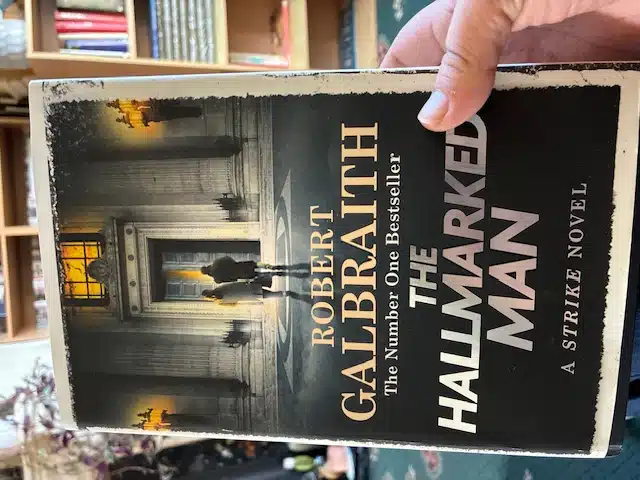
I’ve just finished The Running Grave by Robert Galbraith (the eighth Cormoran Strike novel), and I loved every uncomfortable, creeping, brilliantly written moment of it. The slow burn. The cult psychology. The tension. It’s dark. It’s detailed. It’s completely gripping.
And yes, I’m fully aware of the contrast.
Life-Saving by Day
In my working world, it’s about calm thinking, structured responses, and knowing exactly what to do when seconds matter.
Whether I’m delivering First Aid Training, Health & Social Care, or Health & Safety, everything comes back to this:
- Stay calm
- Assess properly
- Act quickly
- Follow evidence-based guidance
It’s not dramatic. It’s not glamorous. It’s structured. It’s methodical. And it saves lives.
Training is about details. Tiny things that make a big difference. Airway positioning. Seizure timing. Recognising deterioration early. Documentation done properly.
Small actions. Big outcomes.
Fictional Chaos by Night
Then I switch off the laptop, grab a coffee (obviously), and pick up something that involves suspicious alibis and morally questionable characters.
It sounds strange, but I genuinely think there’s a link.
Good crime writing is about details, too.
The author plants clues. Builds tension. Shows how one small oversight can unravel everything.
It’s not that different from emergency response, really.
In both:
- The details matter
- Timing matters
- Calm thinking matters
- Assumptions can be dangerous
The difference is that in my world, we’re preventing harm. In fiction, they’re trying to solve it.
And after a full day of compliance, safeguarding conversations and health & safety policies, a little fictional chaos is oddly therapeutic.
Why This Matters (More Than It Should)
People sometimes think first aid training is serious all the time. And yes, it is serious. It’s about life and death situations.
But staying effective in this industry means knowing how to switch off, too.
Burnout helps no one.
Whether you work in health and social care, education, corporate settings or supported living, you’re dealing with responsibility every day. Your brain is constantly assessing risk.
That’s why I’m a big believer in proper downtime.
For me, that looks like:
- Crime novels
- Thrillers
- The occasional horror
- Heavy metal in the background
- And absolutely zero real-world paperwork
Balance matters.
And if you’ve ever wondered whether someone who teaches CPR can also enjoy fictional murder, the answer is yes.
Quite enthusiastically, actually.

If You Like Thrillers Too…
Send recommendations my way.
Seriously.
If it’s dark, clever, and makes me question every character by chapter five, I’m interested.
Written by Stephanie Austin
Founder & Lead Trainer at Prima Cura Training.
Over 25 years’ experience in health and social care and nearly 20 years teaching first aid. All content reflects real-world practice and current UK guidance.
This blog is for general interest and does not replace professional advice or organisational policy