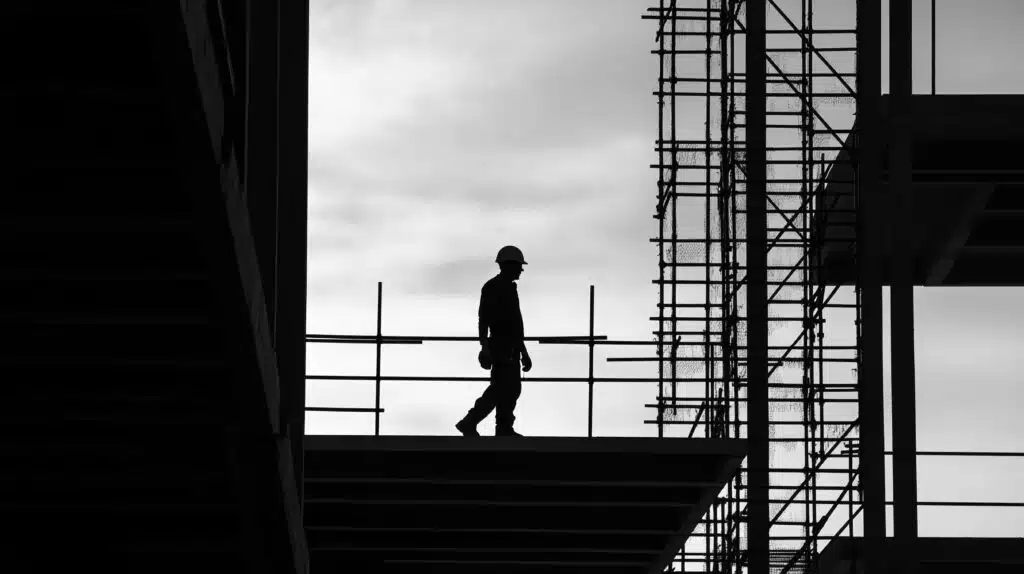
“It’s Just a Scratch…” Challenging Construction Stigma
Written by Stephanie Austin, Owner & Lead Trainer at Prima Cura Training | Reviewed: July 2026 | Next review: July 2027
Challenging the Stigma Around Construction Workplace Injuries
Construction workplace injuries in the UK remain a serious issue, despite improvements in regulation, PPE and reporting standards.
Construction is tough. No one argues with that.
It is hands-on, physically demanding, exposed to weather, deadlines and pressure, and built on a culture of resilience that many other industries simply do not understand. There is pride on site. There is graft. There is that quiet, unspoken rule that you pull your weight and you do not complain.
And in many ways, that mindset is admirable.
But when it comes to injuries, that same attitude can become risky.
Because the words we still hear on sites across the UK are not dramatic. They are small. Casual. Almost dismissive.
“It’s just a scratch.”
“I’ve had worse.”
“It’ll be fine.”
And that is where the problem begins.
The Culture We Don’t Talk About
There has long been an expectation in construction that you crack on, shake it off and keep the job moving. No one wants to be the one who slows progress or causes disruption.
That culture is not built on carelessness. It is built on pride, reliability and a strong work ethic.
But here is the uncomfortable truth.
Minor injuries that are brushed off can become serious.
Serious injuries that are not reported can become life-changing.
According to the Health and Safety Executive (HSE), construction remains one of the highest-risk industries in Great Britain, with thousands of non-fatal injuries reported each year through employer reporting and worker surveys.
You can review the latest statistics directly via the HSE:
https://www.hse.gov.uk/statistics/industry/construction.htm
Even those figures may not reflect the full picture, as underreporting remains a recognised issue in high-pressure environments where stigma influences behaviour.
When someone says, “It’s only a knock,” What they may really mean is: “I don’t want this to be a problem.”
Injuries Are Not Always Visible
When people think of construction injuries, they often imagine visible trauma. A fall. A fracture. A deep cut. A crush injury.
But injuries also show up in quieter ways.
A worker who seems unsettled after a near miss.
Someone who pushes through ongoing back pain because “that’s just part of the job.”
Someone who becomes withdrawn after witnessing an incident.
Construction workers can experience:
- Post-incident anxiety
- Reduced confidence returning to tasks
- Ongoing stress after near misses
- Long-term musculoskeletal strain
- Mental health pressures linked to safety risks
The HSE reports that stress, depression and anxiety account for a significant portion of work-related ill health across industries, including construction.
Statistics are available here:
https://www.hse.gov.uk/statistics/causdis/stress.htm
Industry bodies and charities, including Mates in Mind, have repeatedly highlighted how stigma prevents many construction workers from seeking support.
Because on some sites, admitting you are struggling still feels harder than lifting the load.
Why Do Workers Stay Quiet?
When this topic comes up during training, the reasons are rarely reckless. They are human.
People worry about:
- Lost income
- Being removed from the site
- Letting the team down
- Contract uncertainty
- Being perceived as weak
- Missing deadlines
There is also a long-standing belief that certain injuries are simply “part of the job.”
But legally, they are not.
Employers have clear duties under:
- The Health and Safety at Work etc. Act 1974
- RIDDOR (Reporting of Injuries, Diseases and Dangerous Occurrences Regulations)
HSE guidance can be found here:
https://www.hse.gov.uk/riddor/
Injuries should be reported, assessed and learned from. Not normalised.
Because when we normalise injury, we normalise risk.
The Ripple Effect of “Carrying On”
When someone works through an untreated injury, the impact is often gradual rather than dramatic.
Reaction times slow.
Concentration dips.
Fatigue builds.
Frustration increases.
That combination increases the likelihood of secondary incidents, which may affect more than one person.
If someone experiences a traumatic event and feels unsupported afterwards, the consequences can extend well beyond the physical injury itself.
Construction continues to record elevated suicide rates compared to many other industries, something widely acknowledged across industry discussions and safety forums.
Which means culture is not a “soft” topic.
It is a safety issue.
What Leadership Looks Like on Site
A safer culture is built in small moments.
It is built into how supervisors respond when someone says, “I think I’ve hurt myself.”
It looks like:
- Clear reporting processes that workers trust
- Managers who take concerns seriously
- First aiders who respond calmly and professionally
- A team culture where safety conversations are normal
When someone reports an injury, the response should be:
“Let’s get you checked properly.”
When someone feels shaken after a near miss:
“Talk me through what happened.”
That shift alone can change a workplace dynamic.
Where First Aid Training Supports Safer Culture
Proper first aid provision is not just about ticking a compliance box. It creates structure when something goes wrong.
Both Emergency First Aid at Work (EFAW) and First Aid at Work (FAW) qualifications, delivered in line with current HSE guidance, help workplaces ensure injuries are assessed appropriately and responded to with confidence.
EFAW focuses on immediate life-threatening situations and common workplace injuries.
FAW provides a more in-depth approach, covering a wider range of conditions and extended practical assessment skills, particularly important for higher-risk environments such as construction.
When trained first aiders are present:
- Minor injuries are dealt with early
- Serious conditions are recognised more quickly
- Workers feel reassured rather than dismissed
- Reporting becomes more consistent
Mental Health Awareness training also plays an important role in construction settings, helping teams recognise signs of stress or distress and start supportive conversations.
Because sometimes the injury you cannot see is the one that lingers.
The aim is not to make construction softer.
It is to make it safer.
Construction Is Resilient. It Does Not Have to Be Silent.
The industry has evolved significantly over the years. PPE standards are stronger. Regulations are clearer. Risk assessments are more structured.
But culture evolves more slowly than legislation.
The data from the HSE is clear: injuries still happen.
The question is not whether risk exists.
It is how we respond.
Do we minimise?
Or do we manage properly?
Do we dismiss?
Or do we support?
Strong leadership in construction is not about ignoring injury. It is about addressing it professionally, consistently and without stigma.
And that protects everyone on site.
Frequently Asked Questions About Construction Workplace Injuries in the UK
Are construction workplace injuries legally reportable in the UK?
Some construction workplace injuries in the UK must be reported under RIDDOR (Reporting of Injuries, Diseases and Dangerous Occurrences Regulations). This includes certain serious injuries, dangerous occurrences and work-related fatalities. Employers are legally responsible for understanding what is reportable and submitting notifications to the Health and Safety Executive (HSE) within the required timeframes. Not all injuries are reportable, but all should be recorded and assessed appropriately.
Official guidance can be found via the HSE RIDDOR pages.
Is first aid legally required on construction sites?
Yes. Under the Health and Safety (First-Aid) Regulations 1981, employers must provide adequate and appropriate first aid equipment, facilities and trained personnel. In construction environments, where risk levels are typically higher, this often means trained First Aid at Work (FAW) or Emergency First Aid at Work (EFAW) personnel must be present, depending on the findings of a suitable and sufficient risk assessment.
What level of first aid training is recommended for construction workplaces?
The appropriate level of first aid training depends on the size of the workforce, the nature of the work and the specific risks identified in the site risk assessment. Lower-risk sites may require Emergency First Aid at Work (EFAW), while higher-risk construction environments commonly require the more comprehensive First Aid at Work (FAW) qualification. The HSE does not mandate specific course providers but expects employers to select training that meets workplace needs.
Why are construction injuries often underreported?
Underreporting can occur due to workplace culture, fear of lost income, concerns about job security or a belief that minor injuries are “part of the job.” However, failing to report injuries can increase long-term risk, reduce opportunities to improve site safety and potentially expose employers to compliance issues. Encouraging open reporting supports both legal compliance and worker wellbeing.
Does mental health fall under construction workplace safety?
Yes. Mental health is recognised within broader workplace health and safety responsibilities. The HSE acknowledges that stress, anxiety and depression are significant contributors to work-related ill health. Construction environments, due to their high-risk and high-pressure nature, should consider psychological safety alongside physical injury prevention as part of overall risk management.
About the Author
Stephanie Austin is the Owner and Lead Trainer at Prima Cura Training, delivering regulated First Aid, Health & Safety and Health & Social Care training across the UK.
With experience delivering in construction environments, she focuses on practical compliance, confident emergency response and creating workplace cultures where safety conversations are normal, not awkward.
This article is provided for general educational purposes only and does not constitute legal, medical or regulatory advice. Employers must carry out suitable and sufficient risk assessments and ensure compliance with current UK legislation, including the Health and Safety at Work etc. Act 1974 and RIDDOR. For authoritative guidance, refer directly to the Health and Safety Executive or seek independent professional advice. Training requirements will vary depending on the specific risk profile of each workplace.