Naloxone: Why it matters, how it saves lives
Written by Stephanie Austin, Founder & Lead Trainer, Prima Cura Training
Reviewed & Updated: February 2026
There are moments in first aid where quick thinking genuinely changes the outcome. Naloxone sits firmly in that category, which is why we want to educate on Naloxone first aid.
You may have seen it mentioned in the news, heard about it through public health campaigns, or come across it in conversations about drug misuse. What’s changed is this: naloxone is now part of our First Aid at Work syllabus at Prima Cura Training. And yes, there’s a very good reason for that.
This isn’t about politics, judgment, or assumptions about who might need help. It’s about reality, risk, and giving people the tools to save a life when the unthinkable happens.
What is naloxone?
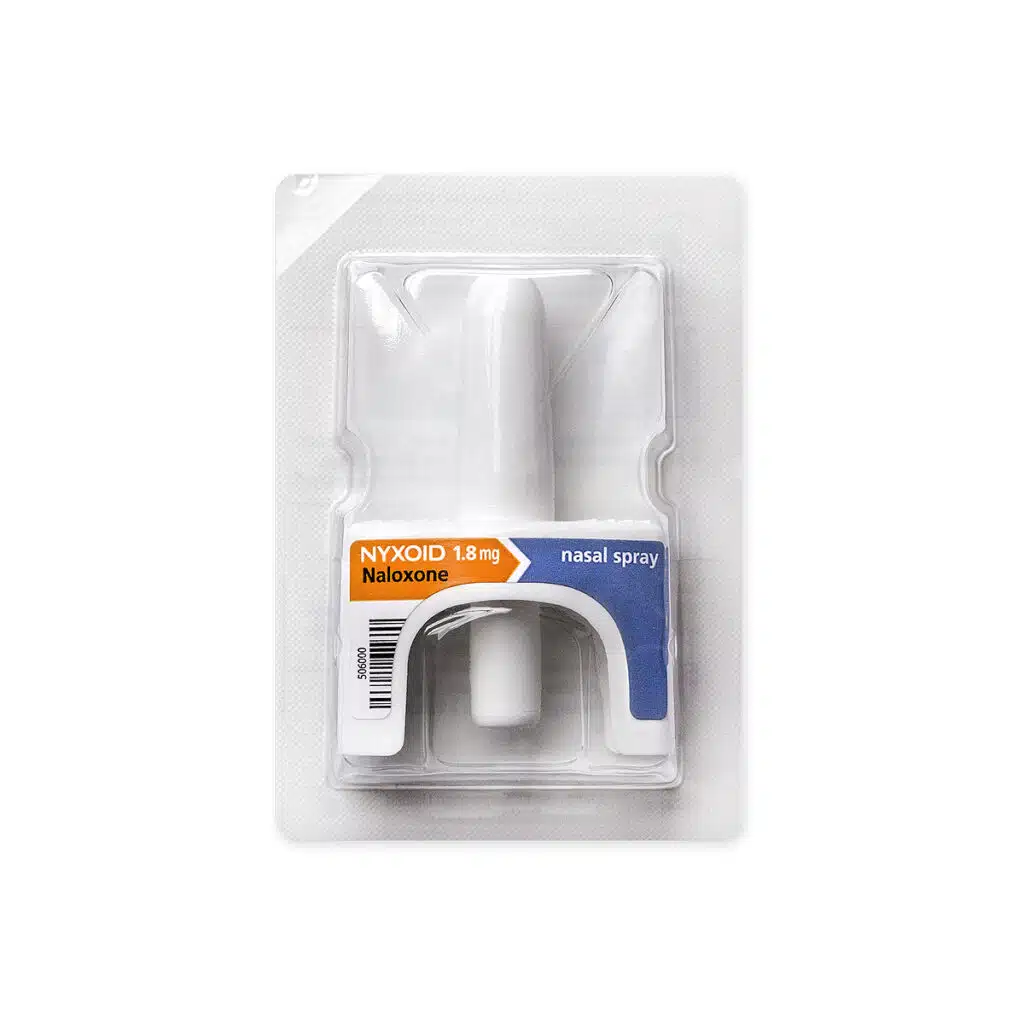
Naloxone is a life-saving medication that reverses the effects of an opioid overdose. It works by blocking opioids (such as heroin, morphine, codeine, methadone, and some prescription painkillers) from attaching to receptors in the brain.
In simple terms:
If someone has taken opioids and their breathing slows or stops, naloxone can restart breathing and buy crucial time until emergency services arrive.
It does not produce a “high”.
It does not work on non-opioid overdoses.
And it does not cause harm if given when opioids are not present.
That combination is exactly why it has become such an important first aid intervention.
Why naloxone matters in everyday workplaces
There’s a common misconception that opioid overdoses only happen in very specific environments. In reality, first aiders may encounter overdose situations in:
- Offices and corporate buildings
- Retail and hospitality settings
- Transport hubs
- Construction sites
- Public-facing roles
- Care, housing, and support services
- Community venues and events
Overdose doesn’t discriminate by postcode or job title. It can involve prescription medication, accidental misuse, or substances taken outside of work but affecting someone during the working day.
From a first aid perspective, this is about preparedness, not assumptions.
Why we’ve added naloxone to our First Aid at Work syllabus
At Prima Cura Training, we don’t just teach what’s always been taught. We teach what actually reflects modern risk.
UK guidance and public health direction have increasingly recognised naloxone as a critical emergency response tool. Organisations such as NHS England and We Are With You Campaign support wider access to naloxone as part of harm-reduction and life-saving strategies.
From a workplace point of view, this aligns neatly with the principles already embedded in first aid:
- Preserve life
- Prevent deterioration
- Promote recovery
Naloxone does all three.
Including it within First Aid at Work training ensures that trained first aiders:
- Understand when naloxone is appropriate
- Know how to recognise an opioid overdose
- Can administer it safely and confidently
- Continue standard first aid care and escalation
This is not about replacing CPR, recovery position, or emergency calls. It’s about strengthening the response when opioids are involved.
What learners are taught about naloxone in our course
We keep this practical, clear, and grounded in real-world decision-making. During training, learners cover:
- What opioids are and how an overdose affects the body
- Signs and symptoms of opioid overdose
- When naloxone should be used
- How to administer naloxone (including nasal spray)
- Aftercare, monitoring, and repeat dosing
- The importance of calling 999 even after naloxone is given
- Legal and safety considerations for first aiders
Just as importantly, we address confidence. People don’t panic because they don’t care. They panic because they’re unsure. Training removes that uncertainty.
Is naloxone legal for first aiders to use?
Yes. Naloxone is legal to supply and administer in emergency overdose situations in the UK.
First aiders acting in good faith, within their training, and as part of an emergency response are covered in the same way they are for any other life-saving intervention.
We explain this clearly during training, because confidence matters when seconds count.
A calm, human approach (no lectures, no judgement)
Let’s be clear: first aid training is not the place for moral judgment. It’s the place for action.
Our approach reflects the same tone we bring to all Prima Cura Training courses: calm, practical, respectful, and human. Naloxone training sits alongside CPR, AED use, airway management, and recovery position as another tool in the first aider’s kit.
No scare tactics.
No assumptions about your workforce.
Just solid training that reflects the risks people actually face.
Why this matters for employers
Including naloxone awareness within First Aid at Work training supports:
- Stronger duty of care
- More realistic risk assessment
- Better emergency preparedness
- Confidence among first aiders
- Alignment with current UK public health thinking
It also sends a clear message: your organisation takes safety seriously, even when the situations are uncomfortable to talk about.
Naloxone is now part of our First Aid at Work training
This update is already live across our First Aid at Work courses at Prima Cura Training. As always, training is delivered in-house, tailored to your environment, your risks, and your policies.
If naloxone is already present in your workplace, we’ll train staff to use it properly. If it isn’t, we’ll explain where it fits, when it’s appropriate, and how it integrates with your existing first aid provision.
Because first aid should never stand still while the world changes around it.
Here is a hand guide on how to administer naloxone

Thinking about updating your first aid training?
If your workplace First Aid at Work training hasn’t evolved in a while, now’s a good time to review it. Naloxone is just one example of how modern first aid reflects modern risks.
And yes, we’ll still teach CPR properly, too.
Related Courses
We also offer Drugs & Alcohol (substance misuse) Awareness, which you may find useful.
This article is for general information purposes only and reflects UK guidance at the time of review (February 2026). It does not constitute medical, legal or regulatory advice. Naloxone use should form part of a clear organisational policy based on risk assessment and appropriate training. Always call 999 in a suspected overdose and follow current UK emergency guidance. Employers must ensure their first aid arrangements align with current Health and Safety Executive expectations and relevant legislation.